The Art of the Glitch: Celebrating Imperfection in Indie Horror
There is a distinct, primal terror in watching your digital world fall apart. When a character model begins to stretch and contort into impossible shapes, or when the familiar layout of a safe room is suddenly replaced by a wall of screaming static, it taps into a fear that transcends the game's intended narrative. This is the power of the glitch, and a new wave of indie horror developers are no longer treating these anomalies as bugs—they are weaponizing them as features.
This movement is a direct response to the polished, predictable scares of AAA horror. In big-budget titles, we’ve learned the rhythm: explore a spooky hallway, trigger a scripted jump scare, repeat. The indie scene, free from the constraints of mass-market appeal, is tearing up that rulebook. By intentionally incorporating visual artifacts, unsettling physics, and reality-bending errors into their core design, developers are creating experiences that are deeply unpredictable and psychologically unsettling in a way a well-lit zombie never could be.
Consider the use of "corrupted" save files or menu screens that glitch out, blurring the line between the game's world and the player's own machine. When your in-game map starts displaying error messages, or a character addresses you by your real-life computer's username, the fourth wall doesn't just break—it shatters into a thousand pieces. This technique creates a profound sense of unease by suggesting the haunting isn't confined to the virtual space; it has infected the very hardware you're using to play. The game is no longer a window into a horror story; the horror is happening at the windowpane.
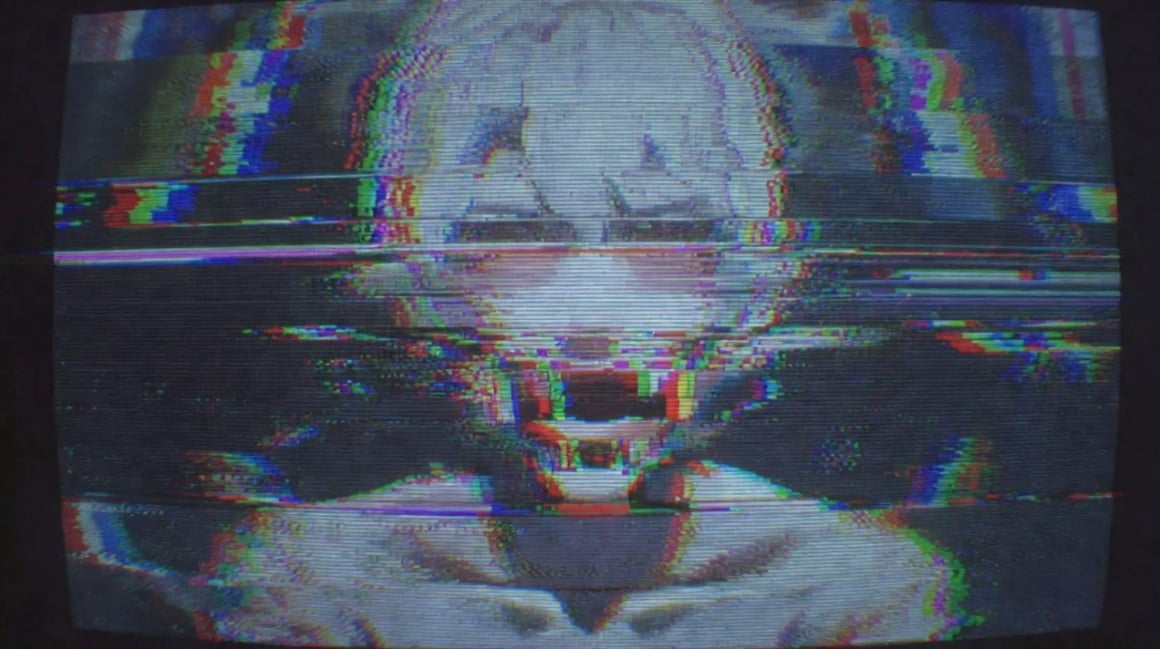
The aesthetic of the VHS tape and degraded analog media, popularized by works like "Loveland," has also been a massive influence. The grainy filter, the tracking lines, the sudden jumps in the video feed—these are all glitches we associate with real-world media decay. By mimicking this, developers tap into a collective, nostalgic fear of the unknown lurking just beneath the surface of a corrupted recording. It feels tangible, like evidence of something real, rather than just a digital monster.
This approach forces the player into a state of constant, low-grade anxiety. In a game where glitches are part of the language, you can never be sure if a sudden visual distortion is a scripted scare or just your graphics driver acting up. This ambiguity is the secret sauce. It keeps you on edge not just during the scary parts, but during every quiet moment of exploration. You begin to distrust the game itself, and that paranoia is far more potent than any jump scare.
Ultimately, "The Art of the Glitch" is about embracing the uncanny valley not as a place to avoid, but as a playground. It’s a celebration of imperfection in a medium obsessed with photorealism. These developers understand that our deepest fears are often formless, illogical, and messy. By turning the very fabric of the game against us, they create a horror that feels personal, invasive, and impossible to forget. They remind us that sometimes, the most terrifying thing a game can do is simply... break.