Beyond the Grind: Finding Narrative Gold in "Echoes of the Citadel"
"Echoes of the Citadel," the year's most anticipated MMORPG, has faced a familiar chorus of criticism. Players have reached the level cap and are now staring into the "content void," decrying the endgame as a repetitive grind of daily quests and raid lockouts. The forums are filled with complaints about the lack of story. On the surface, they have a point. If you're looking for a traditional, quest-driven narrative, the game seems to run dry. But to declare "Echoes" a narrative failure is to miss the point entirely, for its deepest stories aren't scripted—they are lived.
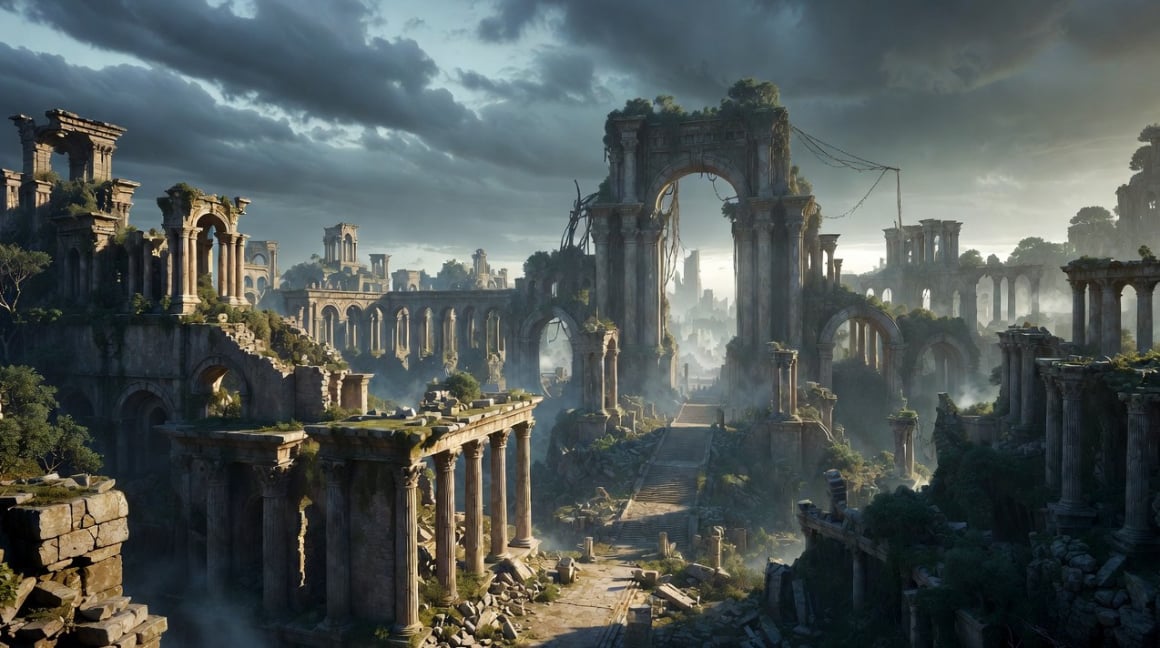
The game's masterstroke is its environmental storytelling, a technique that treats the world itself as a history book. Scattered throughout the ancient dungeons players now run on autopilot are intricate murals depicting forgotten wars. In the overgrown corners of the capital city, weathered statues tell the tale of a schism that predates the player's arrival by centuries. These aren't just set dressing; they are clues. By piecing together the architecture, the faded lore items, and the names of long-dead heroes etched into the walls, a dedicated player can reconstruct a rich, tragic history that no quest-giver will ever verbalize.
This archeological approach to lore transforms the grind itself. That dungeon you've run a hundred times for a piece of gear? It was once a last bastion of hope for a fallen civilization. The boss you mindlessly DPS down? A tragic figure corrupted while trying to save their people. The repetitive nature of the runs allows these environments to sink in. On your tenth trip through the Halls of Sorrow, you might finally notice the faded fresco of a festival, a stark and heartbreaking contrast to the tomb it has become. The grinding becomes a form of meditation, a way to absorb the world's melancholic beauty.
But the most compelling narrative in "Echoes of the Citadel" isn't found in the environment at all—it's created by the players. On a dedicated role-playing server, a fascinating political drama has unfolded. A powerful player guild, the "Iron Pact," established a trade embargo against a smaller, artisan-focused guild. The artisans, cut off from essential resources, didn't just complain on the forums. They became smugglers. They formed secret alliances with other guilds, orchestrated heists on Iron Pact supply caravans, and flooded the in-game market with propaganda, turning public sentiment against the monopolistic power.
This cold war has now escalated into a full-scale, player-driven conflict with real stakes, complete with spies, betrayals, and alliances that shift with the wind. It is a sprawling narrative of political intrigue, economic warfare, and personal ambition that no game studio could ever hope to write. It is raw, unpredictable, and deeply engaging. It proves that when a game provides a robust framework for interaction, the players will always write a better story than the developers.
Ultimately, "Echoes of the Citadel" serves as a powerful reminder that narrative in gaming is not confined to quest text and cutscenes. It is found in the ruins we explore and, more importantly, in the community we build. The game has successfully created a stage. It's up to us to stop looking for a script and start writing our own lines. By looking beyond the grind, we discover that the true gold in "Echoes" is not the loot at the end of a dungeon, but the stories we forge together in the spaces between.